

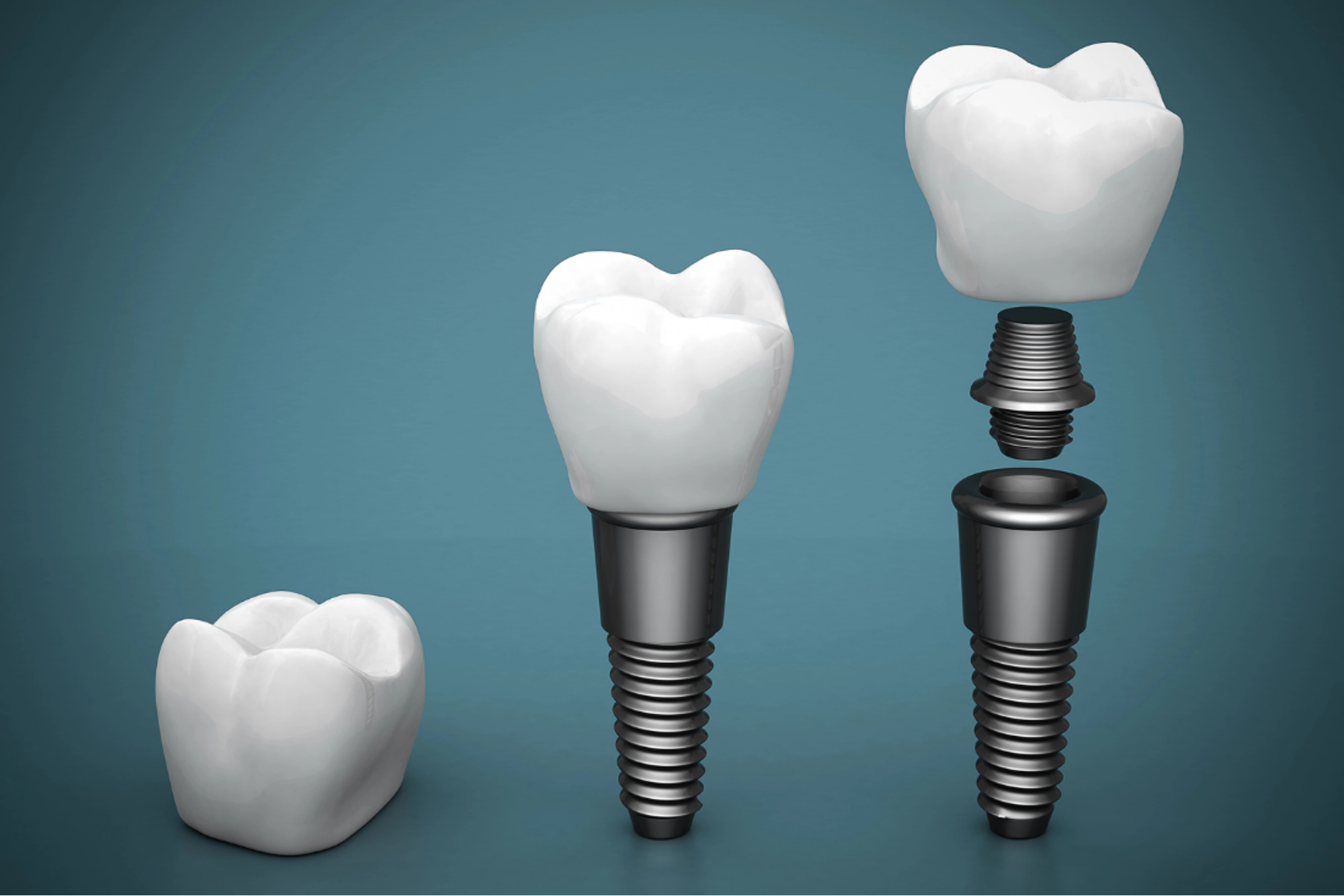
Dental implants are one of the most durable, reliable tooth replacement options available today. But like any medical or dental procedure, complications like dental implant failure can and do happen.
Dental implant failure happens when the implant doesn't heal properly in the jawbone or when it loses stability over time. It means the implant is no longer functioning as it should, either because the bone did not fuse to it properly or because infection or mechanical issues have weakened it.
There are two types of failure with dental implants:
● Early failure happens shortly after surgery, often due to poor healing, infection, or improper placement.
● Late failure appears months or years later, and is usually caused by gum disease or problems with the attached crown or bridge.
Careful planning before surgery and attentive aftercare can dramatically lower your risk of complications.
Why Do Dental Implants Fail?
Biological Causes
Some implant problems occur when the body does not fully accept or integrate the implant. These biological causes include:
● Poor osseointegration: The titanium post must fuse with the surrounding bone, so if this process stalls, the implant becomes loose.
● Insufficient bone density or quality: Thin or weak bone may not provide the stable support needed to keep an implant in place over the long term.
● Gum disease (peri-implantitis): Infection of the surrounding gums or bone can lead to inflammation and eventual bone loss, potentially leading to implant failure.
Mechanical Causes
Mechanical failure stems from physical stress or structural issues with the implant or restoration, such as:
● Overloading the implant: Too much force too soon, usually from chewing too soon after implant surgery, can disrupt early healing.
● Improper crown or prosthetic design: A poorly shaped or misaligned crown can place uneven pressure on the implant.
Patient-Related Factors
Lifestyle and overall health play an important role in the longevity of your dental implants. The following lifestyle habits can significantly increase their risk of failure:
● Smoking: Reduces blood flow and slows healing.
● Uncontrolled diabetes: Increases inflammation and infection risk.
● Oral hygiene challenges: Plaque buildup encourages infection around the implant.
● Teeth grinding or clenching: Excess pressure can weaken the implant over time.
Pre-Surgery Prevention: What Protects Implants From the Start?
Reducing the risk of dental implant failure begins well before the actual surgery, and putting a comprehensive plan in place helps create the best environment for healing.
The first step is your very own comprehensive dental evaluation, where a detailed workup gives the surgeon essential information about your anatomy. CBCT (Cone Beam Computed Tomography) imaging provides a 3D view of the jaw, while a professional assessment of bone volume, sinus position, and nerve pathways guides accurate implant placement and helps prevent future complications.
Healthy gums provide a clean, stable foundation. Any signs of gingivitis or periodontitis must be resolved prior to surgery, as inflammation can quickly spread around a new implant.
Your dental surgeon will need to thoroughly evaluate your bite and jaw force, as an implant must be placed in a way that harmonizes with your bite. He or she will look for signs of teeth grinding and detect malocclusion or misaligned teeth. Addressing these issues early reduces the risk of mechanical overload later.
If bone thickness or height is inadequate, grafting materials or sinus lifts can help create a stronger foundation. These procedures greatly improve long-term implant survival by providing the bone support necessary for stable integration.
General health does affect one’s recovery from dental implant surgery. Therefore, patients must be ready to commit to smoking cessation, diabetes control, and medication review to adjust drugs that may impact bone healing, contribute to inflammation, or impair the immune response.
Also Read: Can You Get Dental Implants with Bone Loss?
Surgical Technique and Surgeon Expertise
The skill and experience of the implant surgeon significantly influence whether or not you experience complications; that's because depth,size, and position all matter. A well-placed implant aligns with both bone structure and bite force, reducing stress on the surrounding tissues.
Different implant surfaces, diameters, and lengths are used based on individual anatomy. These factors affect stability during early healing and long-term durability.
A clean surgical field lowers the chance of bacteria entering the implant site. Proper infection control is one of the most effective methods for reducing early implant complications.
A knowledgeable practitioner can offer you accurate planning, predictable placement, and a smoother recovery. Their experience helps reduce risk during every stage of treatment, from imaging and diagnosis to final restoration.
Post-Surgery Care: Habits That Improve Implant Success
Once the implant is placed, your daily habits play a major role in healing.
Early Healing Guidelines
Following early recovery recommendations is critical. These include sticking to a soft diet, avoiding pressure on or chewing on the implant side, and carefully following all instructions from the surgical team. These steps protect the implant while the bone begins to fuse around it.
Oral Hygiene
Cleanliness, by way of the following oral hygiene habits, helps prevent infection:
● Proper brushing with a soft-bristle toothbrush
● Interdental cleaning, such as floss or interdental brushes
● Antibacterial mouth rinses, when recommended by your provider
Watching for Signs of Trouble
Early detection can help you prevent minor issues with your dental implants from becoming serious. Signs of dental implant failure include:
● Swelling that increases after the first few days
● Redness or discomfort around the implant
● A bad taste, which may signal infection
Follow-Up Visits
Regular checkups allow your dentist to confirm that the implant is healing as expected and to monitor your bite forces, gum health, and prosthetic fit.
How to Keep Implants Healthy Long Term
Once healed, dental implants function the same as natural teeth, but they still need long-term care.
- Address Teeth Grinding and Clenching - Grinding places excessive pressure on implant components. Options that can help are custom night guards and stress-related clenching management techniques.
- Maintain Gum Health - Healthy gums protect the bone around the implant, so professional cleanings twice per year, along with consistent home care, can help keep yours in top shape.
- Lifestyle Choices - Everyday habits influence the lifespan of your implant, especially avoiding tobacco and managing systemic conditions such as diabetes or autoimmune disorders.
- Update Old Restorations - Crowns, bridges, and other prosthetics on implants may need maintenance or replacement over time. Failing to update them can introduce mechanical stress or hygiene challenges.
How Can You Tell When a Dental Implant Is Failing?
Even with the best planning, problems can happen along the way. Knowing what to look for helps you act quickly, so be sure to heed the common warning signs:
● Movement of the implant or crown
● Pain or discomfort during chewing
● Gum recession that reveals metal parts
● Bone loss is visible on dental X-rays
Depending on the severity, your provider may recommend deep cleaning and infection control around the implant, bone graft repair to rebuild lost support, or full replacement if the original cannot be salvaged.
Also Read: Unraveling the Science: How Do Dental Implants Stay in Place?
Don’t Let Dental Implant Failure Happen to You!
Dental implant failure is often preventable with a little bit of planning, skill, and commitment to long-term care. For the best outcome, partner closely with a qualified dental implant specialist and communicate openly about your health, habits, and concerns. This will increase your chances for stronger, more predictable, and longer-lasting implants.
For more information on dental implants and all your cosmetic and general dental needs, reach out to us today at Woodland Hills Dental Care.