
When a Tooth Can’t Do the Job Alone
A healthy tooth is strong and stable, capable of withstanding the daily pressure of chewing and speaking. If that strength diminishes even slightly, the consequences can be more significant than you might expect. A cracked edge, a deep cavity, or a missing tooth may seem like minor issues, but they can quietly alter how your entire mouth functions.
Teeth work together. When a tooth becomes weak or is lost, the others try to compensate. This often causes more harm than good. Over time, this imbalance can strain your jaw, alter your bite, and make eating or speaking uncomfortable. It can also impact your confidence when you smile or talk.
Minor dental problems often start without much notice. A small crack might cause only temporary sensitivity. A missing tooth in the back may go unnoticed. But over time, chewing puts more pressure on nearby teeth. Food becomes harder to chew evenly, and your speech may change slightly. These small changes add up.
This is where modern restorative dentistry comes into play. The aim is not only to repair damage but also to safeguard healthy teeth and restore balance to your bite. Instead of extracting teeth or applying temporary solutions, dentists now focus on preserving as much of your natural tooth as possible.
Crowns and bridges are two common options for restoring your smile. They are used to strengthen damaged teeth, replace missing teeth, and help your mouth function properly again. These are not just cosmetic fixes; they are medical treatments that support your long-term oral health and enhance the appearance of your teeth.
Understanding how crowns and bridges work can help you make better decisions about your dental care. It also explains why your dentist might recommend more than just a filling or a simple repair. This article will explore what each option does and when it's necessary.
What Are Dental Crowns?
A dental crown is a protective cap that fits over an existing tooth. It covers the visible part of the tooth above the gum line and restores its shape, size, and strength. Once placed, the crown becomes the new outer surface of the tooth.
Think of a crown as a custom helmet for your tooth. It doesn't replace the root, but it strengthens the remaining tooth so it can continue to function safely.
Dentists often recommend crowns when a tooth is too weak for a filling. Fillings are suitable for small cavities, but they require enough healthy tooth structure to stay in place. If too much of the tooth is missing, a filling might break, fall out, or allow bacteria to enter. In these cases, a crown covers the entire tooth and offers long-term protection.
Dentists commonly recommend crowns for several reasons:
● Cracked or fractured teeth that are at risk of breaking further
● Large or failing fillings that weaken the tooth
● Teeth that have undergone root canal treatment
● Severe wear caused by grinding or clenching
All these problems indicate that the tooth is weaker than it should be. A crown helps distribute the force of chewing, protects weaker areas, and prevents further damage.
Crowns do more than just strengthen teeth. They also enhance their appearance. Modern crowns are designed to match the color, shape, and shine of your natural teeth. When done correctly, they blend in so well that most people can't tell the difference.
Getting a crown usually means the dentist will prepare your tooth, take digital scans or impressions, and place a temporary crown while the permanent crown is being made. Once the final crown is fitted, your tooth will function and appear normal again. Most patients report that the new tooth feels natural within just a few days.
If you're considering dental crowns, quality and fit are essential. A good crown should be comfortable, support your bite, and last for many years with proper care.
What Are Dental Bridges?
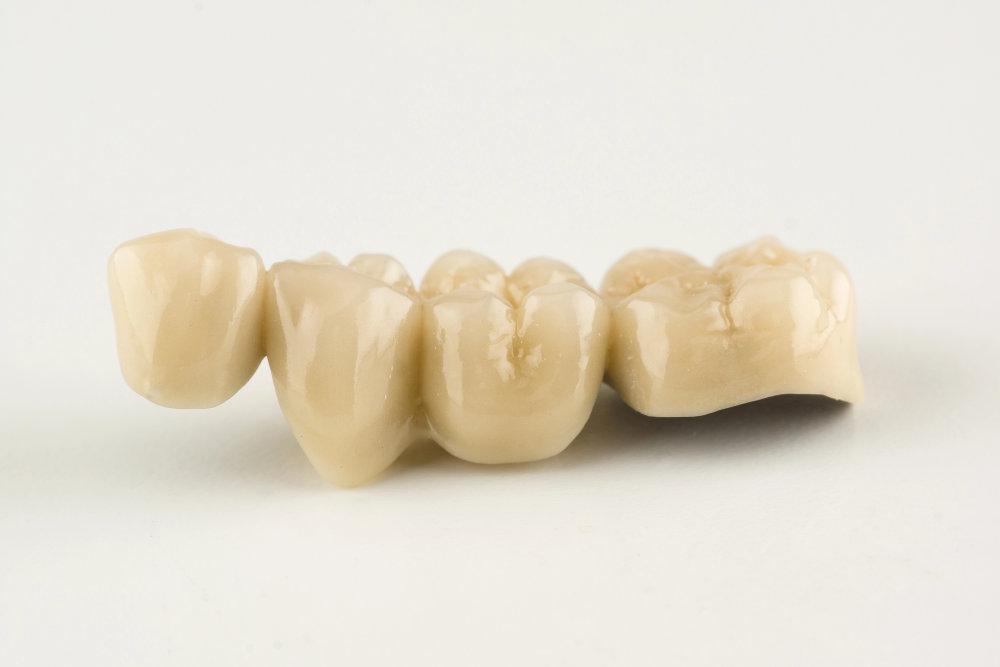
Crowns repair damaged teeth, while bridges substitute missing teeth. A dental bridge fills the gap left by a lost tooth by attaching artificial teeth to the nearby natural teeth or implants.
The word “bridge” is used because the restoration spans the gap and connects to strong teeth on both sides. Once it is in place, the bridge helps you chew and prevents other teeth from shifting into the space.
Some people compare bridges to removable dentures, but there is a significant difference between the two. Dentures can be taken out and often rely on suction or clasps to stay in place. Bridges are fixed and do not come out. They are designed to remain secure when you eat or talk, making them feel more natural for most people.
There are several types of bridges used in restorative dentistry:
● Traditional bridges that anchor to crowns placed on neighboring teeth
● Cantilever bridges are supported on one side when only one adjacent tooth is available
● Implant-supported bridges anchored to dental implants instead of natural teeth
The dentist will select the most suitable type of bridge based on the location of the missing tooth, the health of the neighboring teeth, and your long-term needs.
A bridge is often recommended when you have one or more missing teeth and the surrounding area is healthy enough to support it. It can be a good option if you're not ready for implants or want a faster solution.
To get a bridge, the dentist first prepares the supporting teeth or places implants, then creates a custom bridge and secures it in place. Once finished, you can find it easier to chew and speak.
If you're considering getting a bridge for a missing tooth, remember it's not only about appearance. Replacing a lost tooth maintains your mouth's balance and can prevent future issues.
People searching for dental bridges typically want something that feels secure, looks natural, and fits comfortably. With modern techniques, dentists can deliver all of these.
Also Read: Crowns vs. Veneers vs. Bridges: Which Dental Solution Is Right for You?
Why Replacing or Protecting Teeth Matters
It's common to overlook a damaged tooth when the pain is mild or occurs only occasionally. Many individuals wait, believing the issue won't worsen. However, in reality, tooth damage typically deteriorates over time.
If a cracked or weak tooth is left untreated, bacteria can enter and cause an infection or nerve damage. Over time, you might require more serious treatment or even have the tooth extracted.
Missing teeth can lead to other issues. The gap causes nearby teeth to shift out of alignment, which may alter your bite and make it harder to clean. Food also tends to get stuck more easily, increasing the risk of gum disease and cavities.
Losing a tooth also affects your jawbone. The roots of your teeth help preserve the strength of your bone. When a tooth is lost, the bone doesn't get the same stimulation and can shrink over time. This can change the shape of your face, making the area around your mouth and cheeks appear sunken.
The impact of missing or damaged teeth often shows up in several areas:
● Bite alignment becomes uneven
● Jawbone health declines
● Neighboring teeth shift out of position
● Facial structure gradually changes
If you wait too long, treatment can become more complicated and costly. A problem that could have been fixed with a crown might later need a root canal or even removal. One missing tooth can affect several teeth and your jaw.
That's why dentists advise treating issues early. Using a crown to strengthen a weak tooth or a bridge to replace a missing one helps keep your mouth healthy. The aim is to prevent minor problems from becoming major ones.
Knowing the benefits of crowns and bridges helps you see them as ways to protect your teeth, not just as extras. They help your mouth function well, feel comfortable, and stay healthy in the long run.
Modern Crowns & Bridges: Not What They Used to Be
If you think of crowns as bulky, fake-looking metal or dental work, it’s time to change that perspective. Restorative dentistry has advanced significantly over the past 10 years.
Today, crowns and bridges are made from advanced materials, such as porcelain, zirconia, and other strong ceramics. These materials are tough and look like real tooth enamel. They reflect light like natural teeth and can be colored to match your other teeth.
Dentists can now be more precise as well. Digital scanning allows them to create detailed images of your teeth and bite. This often replaces messy impression trays and provides accurate measurements. The result is a crown or bridge that fits better and feels more comfortable.
A proper fit is more important than many realize. When a crown or bridge fits correctly, it decreases pressure on your teeth and reduces the chance of additional damage. It also makes cleaning simpler and helps safeguard your gums.
Modern crowns and bridges are designed to blend seamlessly with your natural teeth. The edges are smooth, and the shape aligns with your smile. When you talk or laugh, the restoration should remain unnoticeable.
Customization matters because every mouth is unique. Your bite, jaw movement, and smile shape all influence how your restoration should be crafted.
Today’s crowns and bridges are more than simple fixes; they are meticulously designed to enhance your comfort, boost your confidence, and ensure long-term oral health.
As restorative dentistry advances, patients benefit from stronger materials, better technology, and more personalized care. These improvements make it easier to protect damaged teeth and replace missing ones in a way that looks and feels natural.
The Process at Woodland Hills Dental
To deliver effective restorative care, you must understand your oral health and goals. From your initial visit to Woodland Hills Dental, we prioritize accuracy, comfort, and personalized care.
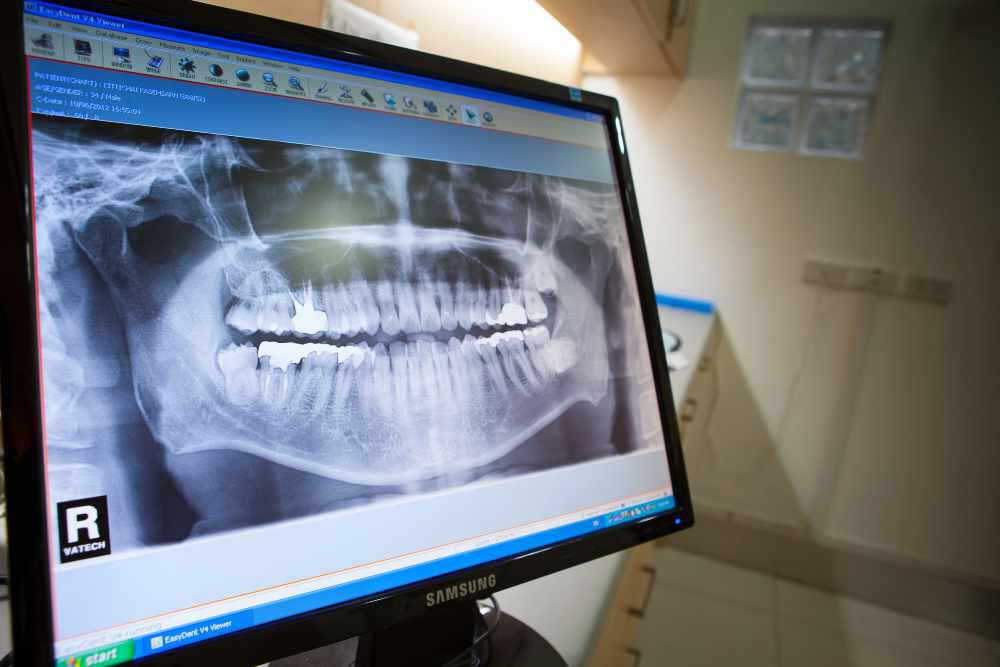
Your appointment starts with a thorough evaluation, including a detailed exam and advanced imaging. Digital X-rays and 3D scans help identify cracks, hidden decay, and bite issues that could impact long-term results.
Following an evaluation, a personalized treatment plan is created for you. Your dentist examines how you chew, grind your teeth, where your teeth are damaged or missing, and how your smile moves. This approach ensures that crowns and bridges support both function and comfort.
If treatment proceeds, the teeth are meticulously prepared. The tooth is reshaped to accommodate the crown, while supporting teeth or implant sites are stabilized for bridges. Digital impressions provide precise measurements to ensure the restorations fit accurately.
Temporary restorations help protect your teeth and gums while your permanent crown or bridge is being created. At this time, you can eat, speak, and smile as usual.
Your dentist ensures the final restoration fits properly and your bite is aligned. Minor adjustments enhance its fit and comfort. Once positioned, the restoration becomes a lasting part of your smile.
Patients typically experience the process in clear stages:
● Evaluation and imaging
● Personalized treatment planning
● Tooth preparation and digital scanning
● Temporary restoration placement
● Final crown or bridge bonding and bite adjustment
This straightforward, step-by-step approach guarantees dependable, long-lasting results with minimal discomfort, ensuring a smooth and comfortable experience for you.
Comfort, Recovery, and Daily Life
Many patients worry about their comfort during treatment. Local anesthesia is used in modern restorative dentistry to ensure you remain comfortable and pain-free throughout the procedure.
It's normal to feel a little sore or tender after your appointment, and it generally resolves within a few days. Some patients might be temporarily sensitive to hot or cold foods, especially after getting a crown. This usually improves quickly.
Most people go back to work or their daily routines on the same day. Initially, eating might feel strange, particularly if you have a new bridge. During the first 24 hours, stick to soft foods to help your mouth adjust.
Speech and smiling naturally adjust over time. Although front-tooth restorations might feel unfamiliar initially, the tongue and facial muscles quickly adapt. Most patients soon forget the restoration is even there after it’s finished.
Patients often report improved balance. Chewing becomes easier, smiling feels more comfortable, and the mouth functions as a whole instead of compensating for damage or missing teeth.
Also Read: Pros and Cons of Dental Crowns
Caring for Crowns and Bridges
Long-term success depends on professional care and consistent daily habits. While crowns and bridges are durable, they require healthy gums and surrounding teeth for proper support.
Brush twice daily with a soft toothbrush to protect the edges of restorations where plaque can gather. Clean along the gum line to prevent irritation and decay. Clean beneath the artificial tooth and around the supporting teeth. This helps prevent food particles from building up in hard-to-reach areas.
Avoid habits like chewing ice, biting hard objects, or using teeth as tools, as these can stress restorations. Patients who grind their teeth may find a night guard helpful to protect both natural teeth and dental work.
Most patients want to know how long dental crowns last. With proper oral hygiene and regular dental visits, crowns and bridges typically last 10 to 15 years or more.
● Using floss threaders or water flossers for bridges
● Avoiding hard or damaging habits
● Wearing a night guard is recommended
Regular dental checkups allow for the early identification of wear and gum problems. These visits protect your investment and help improve the durability of crowns and bridges.
Crowns, Bridges, and Long-Term Oral Health
Restorative dentistry is more than just repairing damage. It focuses on supporting the whole mouth over time. Crowns and bridges are essential for protecting surrounding teeth by stabilizing the bite and reducing uneven pressure.
When damaged teeth are reinforced with crowns, they are less likely to crack or fracture under everyday chewing forces. This protection helps preserve the natural structure and prevents decay from spreading.
Bridges that fill in gaps where teeth are missing also help keep your mouth healthy. They prevent the teeth next to them from shifting into empty spaces. This properly aligned positioning helps keep the teeth in the correct place, which makes brushing and flossing more effective.
A balanced bite not only supports your jaw health but also decreases stress on the jaw muscles and joints. This can help reduce pain, clicking, or tension resulting from missing teeth or misalignment.
The shape of the face is a key aspect, as teeth support the lips and cheeks. When teeth are missing and left unreplaced, the face may gradually look sunken. Using bridges helps maintain natural facial contours and improves the smile's appearance.
In the long run, the advantages of crowns and bridges include enhanced comfort, improved chewing efficiency, and greater stability throughout the entire dental arch. These restorations are part of a broader strategy to protect oral health for years to come.
Crowns and Bridges FAQs
How do I know if I need a crown instead of a filling?
If a tooth has a large cavity, a fracture, or has had a root canal, there may not be enough healthy structure left to hold a filling safely. A crown covers the entire tooth and restores its strength, helping prevent future cracks or breakage.
What’s the difference between a crown and a bridge?
A crown is placed over a damaged tooth to restore its shape, strength, and function. A bridge is used when one or more teeth are missing. It “bridges” the gap by anchoring artificial teeth to nearby natural teeth or crowns.
Does getting a crown hurt?
The procedure is done with local anesthesia, so you should not feel pain during treatment. After the appointment, mild sensitivity or soreness is normal and usually goes away within a few days.
How long does it take to get a crown or bridge?
Most patients need two visits. The first visit prepares the tooth and takes impressions. The second visit, usually about two weeks later, places the final crown or bridge.
How long do crowns and bridges last?
With good oral hygiene and regular dental visits, crowns and bridges often last 10 to 15 years or longer. Their lifespan depends on daily care, bite pressure, and overall oral health.
Can a crown fix a cracked tooth?
Yes. A crown holds the tooth together and protects the crack from spreading. Early treatment helps prevent the need for more extensive procedures, such as extraction or root canal therapy.
What happens if I don’t replace a missing tooth?
When a tooth is missing, the surrounding teeth can shift into the space left by the missing tooth. This may affect your bite, cause jaw strain, and make cleaning harder. Over time, bone loss can also occur in the area where the tooth was lost.
Will my crown look like a real tooth?
Yes. Modern materials are designed to closely match the color, shape, and translucency of natural teeth. Most crowns blend in so well that others cannot tell the difference.
Can I eat normally with a bridge?
After a short adjustment period, most patients return to regular eating habits. It is best to avoid very hard or sticky foods at first, then slowly return to regular meals as comfort improves.
Are crowns and bridges covered by insurance?
Many dental insurance plans provide partial coverage for crowns and bridges when they are medically necessary. Coverage amounts vary, so it is important to check your specific benefits before treatment.
What materials are used for crowns today?
Common materials include porcelain, ceramic, zirconia, and porcelain-fused-to-metal. Your dentist will recommend the best option based on the location of your teeth, bite strength, and cosmetic goals.
How do I clean under a bridge?
Special tools such as floss threaders, water flossers, and interdental brushes help remove plaque and food under the bridge. Proper cleaning is important to protect the supporting teeth and gums.
Can a crown fall off?
It is uncommon, but it can happen if the cement weakens or the tooth underneath changes. If a crown comes loose, avoid chewing on that side and contact your dentist as soon as possible.
Is a bridge better than an implant?
Both options have benefits. Bridges usually cost less and do not require surgery. Implants help preserve bone and do not rely on nearby teeth. The best choice depends on your oral health, budget, and long-term goals.
Can crowns and bridges improve jaw comfort?
Yes. Restoring missing or damaged teeth helps balance your bite. This can reduce uneven pressure on the jaw joints and muscles, thereby improving comfort and reducing tension.
Restore Your Smile for Optimal Oral Health
Tooth damage and loss are more common than many think. Fortunately, modern dentistry offers practical solutions to restore function and comfort. With the proper treatment, eating, speaking, and smiling can become natural again.
Addressing dental problems early truly makes a difference. Minor issues are easier to handle, recovery tends to be faster, and maintaining long-term oral health becomes simpler. Crowns and bridges are meant to strengthen weakened teeth, replace missing ones, and support the overall harmony of your bite.
If you're experiencing pain, sensitivity, cracks, large fillings, or gaps in your smile, now may be the time to explore your options. Schedule a consultation at Woodland Hills Dental to help you understand which treatment best fits your needs and goals. Choosing a restoration isn't just about fixing your teeth. It’s about safeguarding your comfort, confidence, and oral health for years to come.