
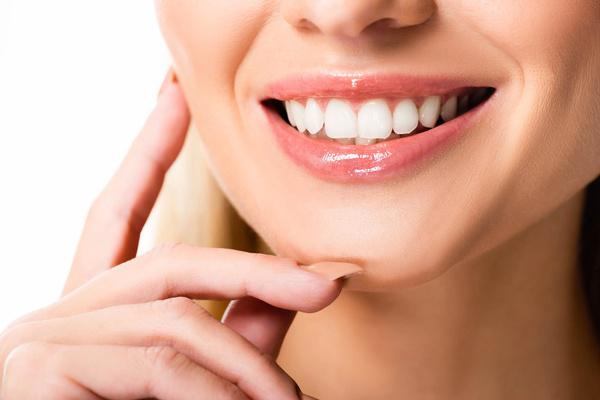
Whether you are dealing with chronic discoloration, noticeable chips, uneven shape, or teeth that have become veneers for worn teeth over time, today’s cosmetic dentists can offer powerful, life-changing solutions.
Of these solutions, three treatments tend to dominate the conversation: dental veneers, crowns, and dental bonding.
All three are effective at improving your teeth, but they’re very different from one another in terms of material composition, required tooth preparation, and long-term investment.
Read on to learn how each works, the costs, and which treatment may be the best fit for your needs.
And if you’re searching for veneers near you or a cosmetic dentist in Woodland Hills, have a look at these stunning veneers before and after results from Woodland Hills Dental Care.
First, What Are Veneers?
Dental veneers are thin, custom-made shells that cover only the front surface of the teeth: a tailored façade for your smile.
They are primarily used to address cosmetic concerns like improving color, correcting minor shape and size irregularities, or closing small veneers for gaps. Veneers are typically used on the most visible teeth, usually the front teeth in the upper and lower arches.
Veneers come in two material types: porcelain veneers and composite veneers. The two are different in terms of cost, durability, and aesthetics, which we will explore later in detail.
What Are Crowns?
A dental crown, or a cap, is a full-coverage restoration that encases the entire visible tooth structure above the gumline. Crowns are not strictly cosmetic and also serve a restorative and protective function.
Crowns are used when a tooth is compromised due to a large filling that has failed, a severe fracture, or after a root canal. A crown restores the tooth's original size and shape to support functioning under heavy chewing forces as well as an improved appearance.
Finally, What Is Dental Bonding?
Dental bonding is the most conservative and least invasive of the three procedures, wherein a tooth-colored composite resin (the same material used for white fillings) is applied directly to the enamel.
A cosmetic dentist will then shape, sculpt, and polish the material to blend seamlessly with the natural tooth.
Bonding is ideal for repairing chipped teeth, filling minor gaps, or masking small areas of discoloration, and it’s usually completed in just one office visit.
Differences Between Veneers, Crowns & Bonding
Feature |
Veneers |
Crowns |
Bonding |
| Coverage | Front surface only | Entire tooth (360 degrees) | Localized, small area |
| Material Options | Porcelain or composite resin | Porcelain, ceramic, or metal-ceramic | Composite resin |
| Durability | 10–15 years (porcelain) | 10–20 years | 3–7 years |
| Aesthetic Realism | Highly natural-looking veneers | Excellent (especially all-ceramic) | Good, but less stain-resistant |
| Tooth Preparation | Minimal prep veneers | Significant reshaping | No major prep |
| Cost | Moderate to high (veneers cost) | Moderate to high | Low |
| Common Uses | Cosmetic enhancement | Structural repair/protection | Minor cosmetic fixes |
The most significant difference between veneers and crowns is the amount of tooth structure removed. Veneers require only minimal enamel removal from the front surface to create space for the thin shell.
Crowns, however, require significant reshaping of the tooth, reducing the enamel around the entire circumference to make room for the cap to fit over it.
If your tooth is structurally sound, a veneer is the far more conservative option, but if your tooth is structurally failing, a crown is necessary for survival.
The choice between veneers vs bonding comes down to longevity and material quality. Porcelain veneers are laboratory-made ceramics highly resistant to wear and staining. Bonding uses composite resin, which is sculpted directly onto the tooth.
While bonding is fast and affordable, the composite veneer material is softer, more prone to staining, and has a shorter lifespan than porcelain.
Veneers: Pros, Cons & Longevity
Advantages
● Exceptional Aesthetics: Porcelain is unrivaled in mimicking natural translucency and the light-reflecting qualities of tooth enamel. The results are incredibly natural-looking veneers that do not look flat or opaque.
● Stain Resistant: Porcelain is non-porous, so it’s resistant to permanent discoloration caused by coffee, tea, and red wine. It’s a lasting solution for veneers for stained teeth, where whitening vs veneers is in question.
● Longevity: When bonded correctly, porcelain veneers are a long-term investment that will last 15 years or longer.
● Preservation: Techniques like minimal-prep and no-prep veneers prioritize preserving as much healthy tooth structure as possible.
Drawbacks
The procedure is technically irreversible because enamel must be removed for a proper fit. Furthermore, porcelain veneers are not suitable for heavily damaged or decayed teeth. While durable, they can chip or detach if used on patients with uncontrolled grinding or biting habits.
Longevity and Maintenance
Porcelain veneers typically last 15 years. Maintenance includes routine hygiene, avoiding abrasive toothpaste, and protection from grinding with a night guard. If a porcelain veneer is severely damaged, it usually requires veneer replacement.
Crowns: Pros, Cons & Longevity
Advantages
● Reinforcement: Crowns stabilize and reinforce teeth that are weakened by large fillings, fractures, or past root canal therapy and are built to handle the heavy pressures of chewing.
● Restored Function: Crowns restore the tooth to its correct functional dimensions, improving bite and chewing ability.
● Aesthetic Quality: Modern materials like all-ceramic and zirconia have excellent cosmetic outcomes, especially for posterior teeth that require high strength.
Drawbacks
Crowns are the most invasive option; they require significant tooth reduction and permanently alter the tooth’s structure. And while the cosmetic outcome is good, the preparation process can cause temporary sensitivity. The cost compared to crowns can be similar, but the crown requires a greater commitment to altering the natural tooth.
Longevity and Maintenance
Crowns have the longest lifespan of the three, often lasting 20 years, depending on the material and oral habits. Maintaining good gum health is important to prevent decay at the crown's margin, where the crown meets the natural tooth structure.
Bonding: Pros, Cons & Longevity
Advantages
● Fast and Affordable: The procedure is fast, minimally invasive, and requires the lowest financial investment among the three options. It can resolve minor issues like small chips or slight gaps in a single visit.
● Minimally Invasive: Bonding requires little to no removal of the tooth’s natural enamel, making it highly conservative.
● Easily Repaired: Should the resin chip or stain over time, it is easy to perform a veneer repair by simply adding more composite and polishing it.
Drawbacks
The main limitations of bonding are durability and aesthetics compared to porcelain veneers.
Longevity and Maintenance
The lifespan of bonding is the shortest, at around 7 years. Success hinges on avoiding damaging habits like chewing on ice or biting your nails. Periodic professional touch-ups and polishing are also necessary to restore the material's smoothness and sheen.
How to Choose the Right Option
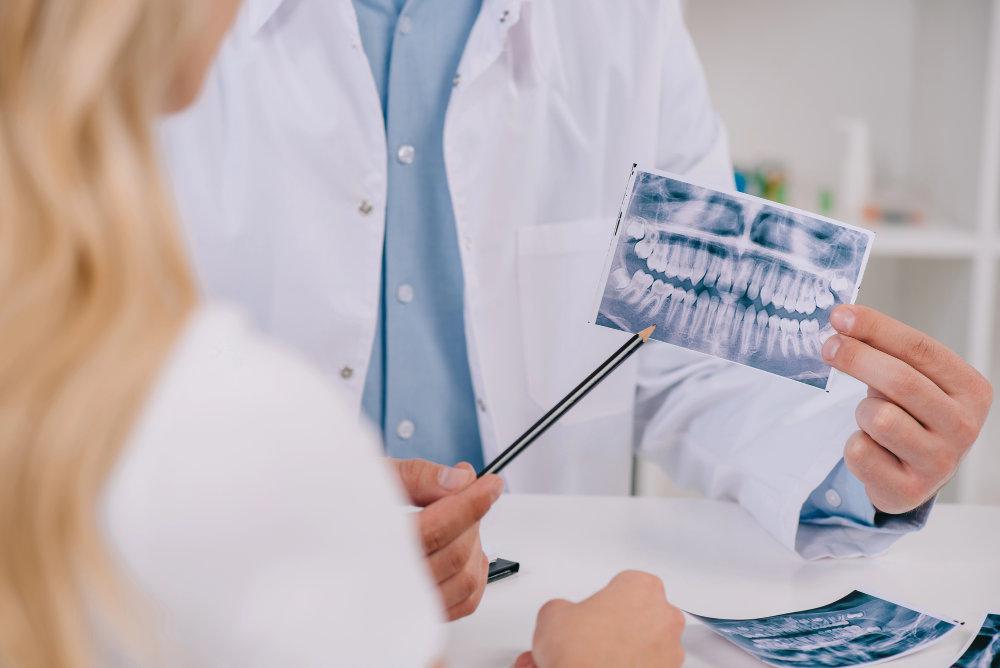
The right restorative option is always a collaboration between the patient and the cosmetic dentist. The recommendation depends on a clinical assessment and your personal goals.
If the tooth has large fractures, extensive decay, or needs root canal therapy, a crown is almost always the required solution.
For minor, localized issues like a small chip or slight veneers for gaps, bonding is ideal.
And for purely cosmetic concerns or a desire for a uniform, dramatic change, porcelain veneers are the best treatment. Patients seeking the ultimate in natural-looking veneers and long-term color stability will select porcelain.
Although veneers cost of veneers is higher upfront for porcelain, its superior longevity can make it the better long-term financial choice compared to the multiple replacements required with composite.
Ultimately, your dentist will evaluate your bite mechanics, existing enamel thickness, and gum health before making a final recommendation. In many cases, a combination of treatments is used: for example, veneers on the visible front teeth and crowns on molars.
Cost Overview
The cost of veneers varies widely based on the material (porcelain costs more than composite), the lab used for fabrication, the number of teeth, and the expertise of the cosmetic dentist.
While veneers are a significant investment, it is important to weigh the long-term value against the short-term savings of alternatives like bonding.
For patients concerned about the financial commitment, many offices offer veneers payment plans or veneer financing options. FYI, many dental plans consider cosmetic veneers elective.
FAQ
1. How do I know whether I need a veneer, crown, or bonding?
If your tooth is mostly intact and the issue is cosmetic, a veneer or bonding is likely the answer. If the tooth has severe decay, a large fracture, or has had a root canal, a crown is typically necessary for structural support.
2. Do veneers and crowns damage natural teeth?
No. Once bonded, the restoration actually protects the remaining tooth structure.
3. Can I whiten my teeth after getting veneers or bonding?
No. Veneers for stained teeth are a permanent fix because the porcelain or composite material will not respond to bleaching agents.
4. How long do porcelain veneers really last compared to composite veneers?
Porcelain veneers last significantly longer, averaging 10-15 years. Composite veneers last around 7 years before they typically need replacement or extensive repair.
5. Are crowns stronger than natural teeth?
Modern crowns can be even stronger than natural enamel and are designed to prevent the tooth from cracking under pressure.
6. Does dental bonding stain easily?
Yes, composite veneers (bonding) are more porous than porcelain and more prone to staining over time. Periodic polishing by your dental hygienist helps to maintain color and luster.
7. Can I replace bonding with veneers later on?
Yes, it’s very common. Since bonding requires very little or no prep on the natural tooth, it is easy to remove the old composite resin and proceed with long-lasting porcelain veneers later on.
8. What is the recovery time after getting a crown or veneer?
Recovery is minimal for both. You may experience some mild, temporary sensitivity after the anesthetic wears off, which usually resolves within a few days. You can typically resume normal activities immediately, though you should avoid chewing on the area for the first 24 hours after the final bonding.
9. How much maintenance do veneers and crowns require?
Both require the same daily maintenance as natural teeth, aka brushing and flossing. The only extra step is that patients with a clenching habit must wear a nightguard to avoid structural damage.
10. Are these treatments covered by dental insurance or considered cosmetic?
Dental veneers are generally considered cosmetic and are not covered by insurance. Crowns are often partially covered if placed due to functional necessity. Bonding is sometimes covered if used to repair an injury. Check your policy.
Choosing What’s Best for Your Smile
The best treatment is the one that addresses your unique clinical needs and what you want from a cosmetic standpoint:
● Dental Veneers are the choice for maximum cosmetic transformation, especially for color, shape, and size corrections.
● Crowns are for structural stability and the protection of compromised teeth.
● Bonding is for quick, conservative, and affordable fixes to minor flaws.
For the best veneers and family dental care in Woodland Hills, schedule an appointment today at Woodland Hills Dental Care.