 >
>

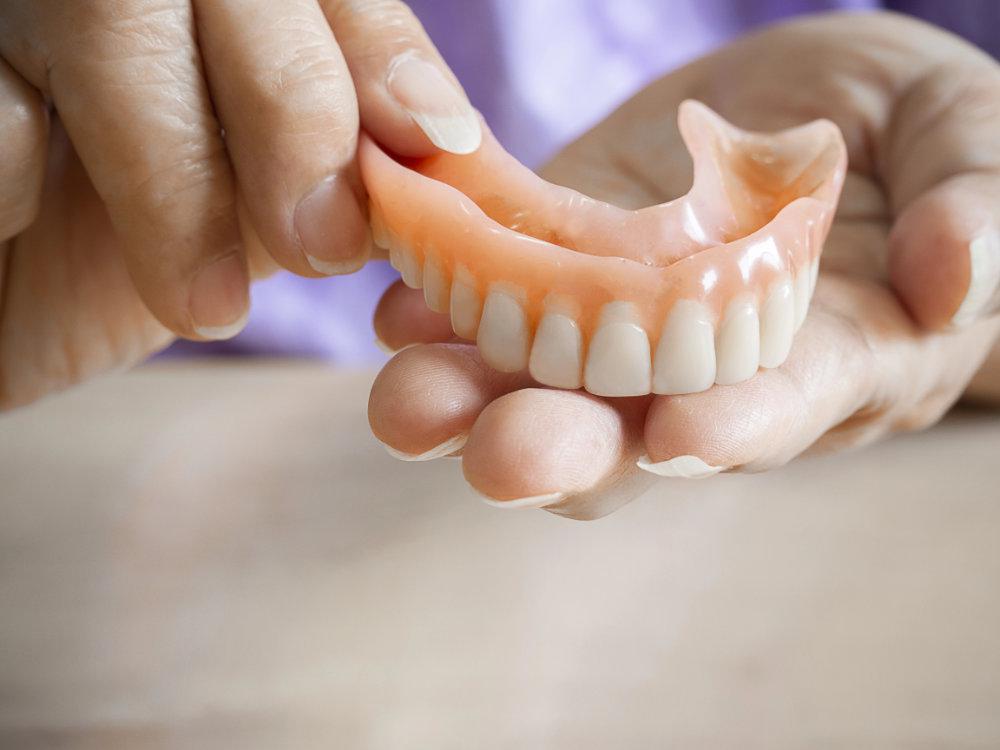
Most dentures fit well when they are first made. But over time, many patients notice the fit getting worse. The denture slips while eating or shifts when speaking, often causing embarrassment in public. Sore spots develop along the gum line. And the adhesive tube in the medicine cabinet becomes a daily necessity.
These problems are more common than most people realize. They also tend to get worse without treatment. For many patients wearing removable dentures, this gradual decline is what leads them to start considering dental implants in Woodland Hills. Understanding why dentures loosen in the first place helps explain why so many people eventually look for a different option.
Why Dentures Often Become Loose Over Time
Natural Bone Loss After Tooth Loss
Once a tooth is pulled, the jawbone beneath it slowly shrinks. This is because there is no longer a tooth root pressing on the bone. In the absence of this signal, the body slowly breaks down the bone. This process is called resorption. It starts shortly after extraction and continues for years. Removable dentures rest on the gums and are not fixed to the bone, so they don’t prevent this change. As the bone shrinks and flattens out, dentures can start to feel loose.
Changes in Gum Tissue and Facial Structure
Gums change with age. They tend to become looser and thinner. As the jawbone shrinks, the shape of the mouth gradually changes, and older dentures may fit poorly. Some patients also notice a sunken look around the mouth and more movement when talking or eating.
Daily Wear and Movement
Dentures are subject to the stresses of daily chewing and speaking. Over time, this reduces the suction and grip that keep them in place. Lower dentures tend to loosen up faster because the tongue moves them around more, and there is less surface area on the lower jaw for them to rest against.
Also Read: The Hidden Health Benefits of Dental Implants Beyond Your Smile
Common Problems Caused by Loose Dentures
Difficulty Eating Certain Foods
Loose dentures make many foods difficult to eat. Tough meats, crunchy vegetables, and hard foods may not feel comfortable or safe. Many patients begin chopping food into very small pieces or avoiding certain foods altogether. Over time, this can affect nutrition, as softer foods tend to have lower fiber and protein content.
Dentures Slipping While Talking or Laughing
A loose denture can cause anxiety in social situations. Some patients are concerned that the denture may slip, so they are reluctant to laugh freely, talk for long periods, or eat in public. Constantly thinking about denture movement over time can affect confidence and comfort around other people.
Gum Irritation and Sore Spots
Dentures that move around during the day can rub against your gums, causing friction. This can cause sore spots, irritation, and swelling. Many patients require frequent adjustments, but new sore areas often appear as pressure shifts to different parts of the mouth.
Dependence on Adhesives
Denture adhesive is supposed to help once in a while, not every day. If patients need an adhesive to eat and speak normally, it usually indicates that the denture no longer fits well. Adhesive might help temporarily, but it does not fix the underlying problem.
Reduced Bite Strength
People with removable dentures usually have much weaker bite strength than people with natural teeth or implant-supported teeth. This can make eating feel slower, less comfortable, and more limiting. Poor chewing may also affect digestion, as it begins with properly breaking down food in the mouth.
Why Many Patients Begin Looking for Implant Solutions
Desire for Better Stability
Dental implants work by placing a small post into the jawbone, where it fuses with the surrounding bone over time. This provides the restoration with a fixed anchor point. An implant-supported appliance is surgically attached to the jaw, unlike a conventional denture, which relies on suction or adhesives to stay in place.
Improved Comfort
Implant-supported dentures distribute pressure more evenly and create far less friction against the gums. Patients who make the switch often find that the soreness they had accepted as normal disappears after treatment. The restoration feels more like natural teeth and less like an appliance that they constantly have to manage.
Greater Confidence in Social Situations
When a restoration is firmly anchored, patients stop thinking about it. Eating in public, laughing, and having conversations all feel normal again. This change in confidence is consistently one of the outcomes patients value most after tooth replacement with implants.
Long-Term Jawbone Support
Dental implants transmit chewing pressure into the jawbone the same way natural tooth roots do. This helps the bone maintain its density rather than continuing to shrink. Traditional removable dentures provide no such benefit, which is why the fit problem tends to worsen over time, no matter how well the denture was originally made.
Also Read: Dental Implants for Front Teeth vs. Back Teeth: What’s Different
Implant Options for Patients With Loose Dentures
Implant-Supported Dentures
Implant-supported dentures use two to four implants to anchor a full arch of replacement teeth. The denture clicks onto the implants, but can still be removed for cleaning. It doesn’t move around when worn. This option is particularly good for the lower arch, where traditional denture problems are most common.
Fixed Full-Arch Implant Solutions
Fixed full-arch restorations attach permanently to a series of implants and can only be removed by a dental provider. They allow patients to bite with considerably more force than removable dentures, and most patients describe the experience as the closest thing to natural teeth they have had since their own were removed.
Mini Dental Implants in Select Cases
Smaller implant systems may be used for patients with significant bone loss who cannot be treated with standard implants. Mini implants require less bone volume and can still provide significant stability for a denture. This is a decision that requires a full exam and imaging to determine if it is appropriate.
Who May Be a Candidate for Implant-Supported Dentures?
Many denture wearers are stronger candidates than they expect. Common indicators include:
● Struggling with loose lower dentures that adhesives no longer help
● Difficulty chewing foods that were once manageable
● Relying on adhesive every day as part of a normal routine
● Wanting better long-term stability from missing teeth solutions
A dental exam and a cone-beam imaging study are the standard first steps. They allow the provider to assess bone volume and determine which implant approach fits your anatomy. Bone grafting may be needed before implants can be placed, and the provider will discuss this during the consultation.
What Patients Often Overlook About Loose Dentures
Loose dentures are not just an unavoidable part of aging. Persistent instability often reflects ongoing bone loss that continues quietly beneath the surface. Many patients endure slipping and soreness, unaware that the underlying problem is worsening.
Relining temporarily changes the inner surface of the denture to improve its fit. However, they don’t prevent bone loss, and the benefit typically fades after 1 or 2 years. Patients with multiple relapses may be treating short-term symptoms while the larger problem progresses.
Pursuing treatment earlier often leads to better results. Patients who act while adequate bone remains may avoid grafting and achieve more stable long-term outcomes.
What to Expect During an Implant Consultation
The first step to getting implant-supported dentures in Woodland Hills is to review your denture history and current concerns. The provider will ask about your symptoms, how long you’ve had your dentures, and your treatment goals.
Digital imaging gives the provider a clear picture of your jawbone and helps determine the best options for your situation. From there, the discussion moves to treatment options, timelines, healing expectations, and cost. Patients often leave with a clear, specific plan to address their dental problem.
Also Read: Dental Implants Explained
Conclusion
Loose dentures affect more than function. They determine what it feels like to eat comfortably, to speak freely, and to feel confident when you’re around other people. For many patients, the frustrations slowly build until they reach a point where they want to find a better solution.
Implant-supported dentures and fixed full-arch restorations can offer greater stability and long-term support for the bone than traditional removable dentures. If sore spots, limited food options, and daily adhesive use have become your norm, it’s worth talking to your dental provider.
Tired of your loose dentures? The Woodland Hills Dental team can help you find a stable, comfortable solution built to last. Book an Implant consultation and begin your journey to eating, speaking, and smiling with real confidence.